
The light/dark cycle is the most important synchronizer of the biological clocks. Cities remarkably change the environment and one of the obvious impacts is the amount of artificial light at night present in the urban environment. I study the process of urbanization as a natural experiment to test the prediction that by dramatically changing the environment, cities expose organisms to profoundly distinct selective pressures compared to their natural environment and select different clock properties. Using the great tit (Parus major) as a model species, we measured the clock of individuals in cities and forests and carried out a large-scale common-garden study to separate genetic and environmental effects.
Main results:
Wild-caught city and forest birds differ in their sensitivity to light (see Tomotani et al. 2023).
City birds are genetically smaller than forest birds, but we did not see evidence for the smaller size to be adaptive (see Tomotani et al. 2025).
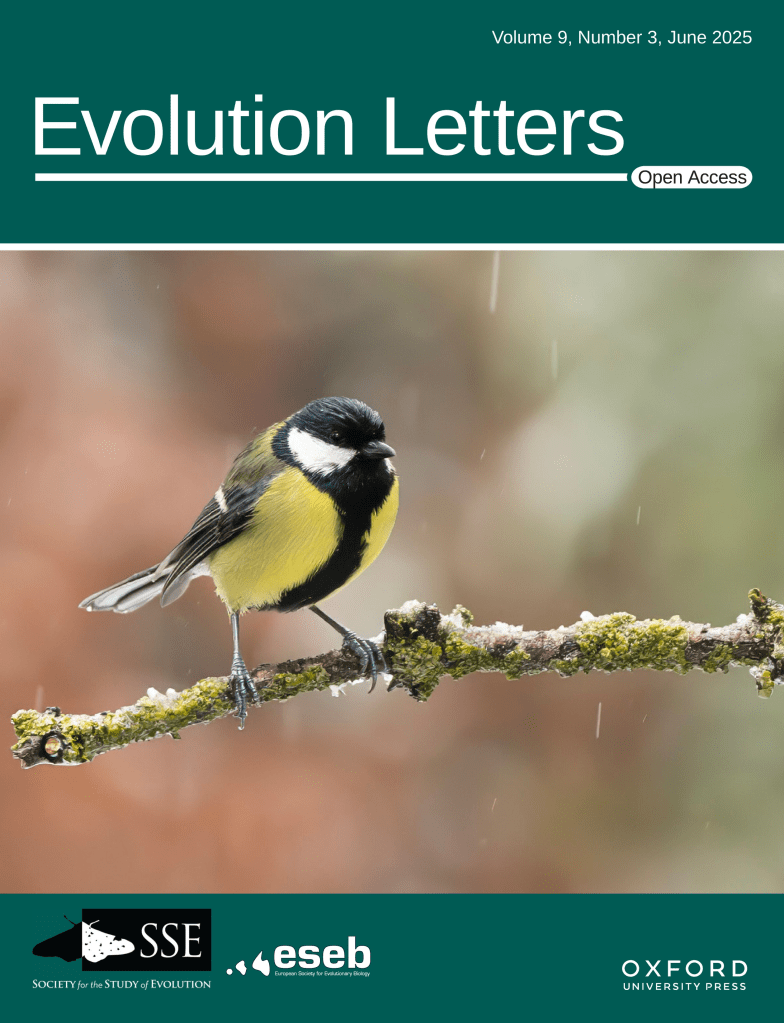
This paper was the Editor`s Choice.
This project ran between 2020 and 2022 with a VENI grant from the Dutch Research Council (NWO).


